제 30 호 K-Royal Culture Festival 2026: Spring
Kicker: ENTERTAINMENT
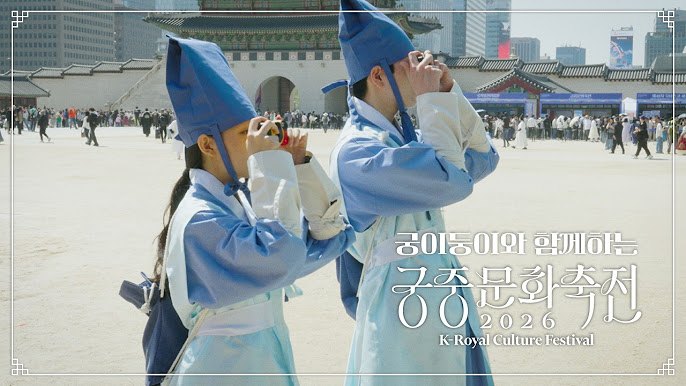
K-Royal Culture Festival 2026: Spring
by Sumin LEE, Reporter
As you walk through the heart of Seoul, the beauty of Korea’s royal palaces from the Joseon Dynasty — proud symbols of the nation’s 5,000-year history — continues to captivate not only foreign tourists but also countless Koreans. There is a festival that makes these beloved palaces shine even brighter: Royal Culture Festival. Hosted annually by the Korea Heritage Service since 2014, this festival successfully concluded this year after achieving a remarkable milestone of recording its largest number of visitors ever. This article, we will introduce when and how people can enjoy the festival, as well as explore the reasons why it was able to attract an even greater number of visitors this year.
The Royal Culture Festival is Korea’s representative cultural heritage festival held across Seoul’s five royal palaces—Gyeongbokgung, Changdeokgung, Changgyeonggung, Deoksugung, and Gyeonghuigung—as well as Jongmyo Shrine, all of which preserve the history of the Joseon Dynasty and the Korean Empire. Hosted by the Korea Heritage Service and organized by the Korea Heritage Agency, the festival goes beyond simple palace sightseeing and allows both domestic and international visitors to experience the origins of K-culture more closely, transforming these historical spaces into stages for arts and culture. Held regularly in spring and autumn, the festival offers performances, exhibitions, hands-on experiences, and reenactments of royal rituals that reflect the unique characteristics of each palace’s halls and historical significance, helping visitors gain a deeper understanding of Korean history through immersive experiences.
History and Current Status of the Royal Culture Festival
The Royal Culture Festival first began in September 2014 with around 160,000 visitors. By continuously strengthening and diversifying its programs, the festival attracted a total of 1.39 million visitors in 2025. This year, the spring festival alone welcomed 720,000 visitors, exceeding last year’s attendance by more than 100,000 and continuing its successful growth. Following last year’s efforts, the festival has also expanded programs targeting foreign visitors and is aiming to attract 1.65 million participants in total. One of the key reasons behind this year’s great success was the decision to open the opening ceremony seats to foreign visitors for the first time and sell dedicated tickets for them, which received enthusiastic responses from global audiences. Major reservation-based programs such as “Awakening the Morning Palace” at Changdeokgung Palace and “The Emperor’s Dining Table” at Deoksugung Palace also gained tremendous popularity, with every session selling out early. The 2026 Royal Culture Festival introduced many new programs and experiences that allowed visitors to actively participate in activities across the five palaces and Jongmyo Shrine.
Experiences Visitors Could Enjoy at the 2026 Spring Royal Culture Festival
The 2026 Spring Royal Culture Festival offered visitors a wide range of hands-on cultural experiences, performances, exhibitions, and royal reenactment programs across Seoul’s five royal palaces and Jongmyo Shrine. Rather than simply viewing historical sites, visitors were able to actively experience Korea’s royal culture and history in immersive and engaging ways.
At Changgyeonggung Palace, a new program titled “Yeongchunheon: The Library of Spring” allowed visitors not only to observe the historical space but also to relax and work while enjoying traditional royal tea inside the palace hall itself. Another popular program, “The Queen’s Taste,” guided participants through a personality test under the supervision of a professional perfumer. Based on the results, participants are allowed to take part in a personality-based fragrance workshop using traditional Korean ingredients such as plum blossom, sandalwood, and ink scent to create their own scented sachets. In addition, “Moonlight Lotus Show at Changgyeonggung Palace” that visitors can follow the lights through the palace at night and enjoy its many beautiful sights.
At Gyeongbokgung Palace, visitors could experience “Time Travel: Gyeongbokgung Palace: Royal Palace Daily Life” which recreated a day in the palace through the footsteps of various historical figures. Another immersive program, “Time Travel: Gyeongbokgung Palace:Newcomers of Royal Palace” allowed participants to become trainee palace attendants from the Joseon Dynasty by wearing traditional royal attire and learning palace arts and etiquette. “Springtime Blossom of the young King at Saenggwabang” themed as a warm banquet prepared for King Danjong, offered traditional royal cuisine and desserts named dasik inside Gyeongbokgung’s royal kitchen area. In addition, the “Gyeonghoeru Outing” program allowed visitors to enjoy the sounds of traditional music performed by royal court musicians while experiencing traditional costumes, pansori performances, and royal tea and refreshments in a peaceful Gyeonghoeru Pavilion.
At Changdeokgung Palace, the reservation-only “Moonlight Tour of Changdeokgung” offered daegeum solo performances, royal court dances, and guided tours of the palace grounds, allowing visitors to experience the beauty of the palace at night. Another program, “The Dance of Crow Prince Hyomyeong and the Moon” recreated the royal banquet culture envisioned by Crown Prince Hyomyeong, who dreamed of becoming a cultured ruler through politics based on music and arts. Participants could directly select and research traditional costumes while experiencing the royal performance process of the time. It allows participants to experience royal ceremony, or jinjakrye by learning about traditional costumes and court performances inspired by Crown Prince Hyomyeong’s artistic vision. “Awakening the Morning Palace,” another reservation-based program, gave visitors the chance to peacefully walk through Changdeokgung in the early morning while listening to explanations about the palace’s architecture and history.
At Deoksugung Palace, “The Emperor’s Dining Table” took place at Jungmyeongjeon hall, where visitors experienced the turbulent history and diplomatic moments of the Korean Empire while enjoying Western-style banquets and traditional Korean cuisine. At Junggwanheon Pavilion, “Royal Recreations Club” took placed so that visitors could experience Emperor Gojong’s hobbies and leisure activities through programs such as imperial billiards and demonstrations and tastings of yangtangguk(traditional coffee). “Seokjojeon at Night” allowed participants to hear stories about the imperial family of the Korean Empire from guides while enjoying coffee, desserts, and musical performances on the terrace of Seokjojeon Hall.
At Gyeonghuigung Palace, visitors could participate in stamp tours and traditional street performances such as lion dances, tightrope walking, and samulnori, which were also held at other palaces. At Jongmyo Shrine, “Myohyeon: The Queen’s Record” combined ritual reenactments and musical theater based on Queen Inwon’s Myohyeonrye ceremony at Yeongnyeongjeon Hall. Visitors could also directly experience traditional royal costumes through the “Jongmyo Myohyeonrye” program. Additionally, the reservation-only “Ancestral Ritual Music Nighttime Performance at Jongmyo Shrine” presented the harmony of music, dance, and ceremonial order in the darkness of Jongmyo Shrine, offering visitors a rare opportunity to experience the beauty of Jongmyo at night, as the shrine is not usually open after dark. Another program, Jongmyo Daeje(rite) performed to honor the kings and queens of the Joseon Dynasty.
Overall, the 2026 Spring Royal Culture Festival provided visitors with opportunities to experience Korean royal heritage not only through observation but also through participation, making Korea’s traditional culture feel more vivid, immersive, and accessible to both Koreans and international visitors. The autumn Royal Culture Festival will take place from October 7 to October 11 under the theme “The Spatial Aesthetics of Joseon and the Gyujanggak Academy.” University students can enter free of charge, and by reserving activities such as stamp tours and various hands-on programs in advance, they will be able to deepen their understanding of palace spaces and Korean history through direct experiences.
The Significance of The Royal Culture Festival
The Royal Culture Festival carries great significance as Korea’s representative cultural heritage festival by allowing people to experience royal palaces not simply as historical landmarks, but as living cultural spaces filled with history, art, and tradition. Through various performances, exhibitions, reenactments, and hands-on activities held across the five royal palaces and Jongmyo Shrine, the festival helps visitors understand Korean history in a more immersive and meaningful way. One of the festival’s most important meanings is that it makes Korea’s cultural heritage more accessible and approachable to the public. Rather than limiting palaces to spaces for quiet observation, the festival transforms them into interactive cultural stages where visitors can directly participate in royal traditions, traditional arts, and historical experiences. This allows people to feel a closer emotional connection to Korea’s historical heritage.
The festival also plays an important role in preserving and promoting traditional Korean culture. By recreating royal rituals, court music, palace cuisine, and traditional performances in historically significant spaces, the event helps keep these cultural traditions alive for younger generations and international audiences alike. It creates opportunities for people to appreciate the beauty and value of Korean heritage in modern society. In addition, the Royal Culture Festival contributes to the global promotion of K-culture. As international interest in Korean culture continues to grow, the festival introduces foreign visitors to the historical roots of modern Korean culture through elegant and immersive experiences. By combining traditional heritage with modern cultural content, the festival strengthens Korea’s cultural image and showcases the country’s artistic and historical identity to the world. Ultimately, the Royal Culture Festival is meaningful because it not only preserves Korea’s history and traditions but also allows people to actively experience, share, and continue them in the present day. Through the festival, both Koreans and international visitors can develop a deeper understanding of Korean culture while building pride and appreciation for the nation’s rich cultural heritage.
In addition to the Royal Culture Festival, Korea also preserves and promotes its history through various other traditional festivals, such as the Joseon Royal Tombs Festival, which features night walks, traditional performances, and guided programs set around royal tombs; the Jeonju Cultural Heritage Night Festival, where the entire Jeonju Hanok Village transforms into a traditional cultural space at night; the Suwon Hwaseong Fortress Cultural Festival, famous for reenacting King Jeongjo’s royal procession; the Andong International Mask Dance Festival, where visitors can experience mask dance performances, traditional games, hanok(Korean International house) architecture, and Confucian culture: and the Seoul Lantern Festival, which reinterprets Korean traditions in a modern way. By experiencing these festivals, Koreans can better understand their history and take pride in their cultural heritage. The Royal Culture Festival also recruits volunteers called “Goong-ee Doone-ee Volunteers” every year. If you would like to participate in meaningful activities and meet diverse people, applying to become a volunteer for the autumn Royal Culture Festival could be a wonderful way to enjoy the festival even more meaningfully.
SOURCES:
https://news.kbs.co.kr/news/pc/view/view.do?ncd=8554960
https://www.instagram.com/royalculturefestival_official/
https://www.cha.go.kr/cop/bbs/selectBoardArticle.do?nttId=93189&bbsId=BBSMSTR_1250&pageIndex=1&pageUnit=10&searchCnd=&searchWrd=&ctgryLrcls=&ctgryMdcls=&ctgrySmcls=&ntcStartDt=&ntcEndDt=&searchUseYn=&mn=NS_01_28
https://zdnet.co.kr/view/?no=20260429175356


